Questions to Ask a Septic Pumping Contractor Before You Hire One in Hesperia
You have decided to get the tank pumped. Now the only job left is picking the right crew and making sure the visit actually gets done right. The questions you ask before septic pumping starts separate a thorough service from a quick slurp-and-leave that costs you more two years later. This guide covers what to ask a septic pumping contractor before you book, written for Hesperia homeowners and for landlords, restaurant managers, and RV owners who need tank service handled without standing over it.
Each answer below is short on purpose. Ask these septic pumping contractor questions over the phone before you schedule, and you will know within five minutes whether you are talking to a real septic crew or a dispatcher reading a script.
Why Does Asking a Septic Pumping Contractor Questions Matter?
The questions you ask about septic pumping matter because pumping quality varies widely, and a bad job is invisible until your system backs up. A thorough pump-out includes checking baffles, removing all solids, and noting problems; a rushed one skips all three. Five minutes of questions up front protects a system that costs thousands to replace.
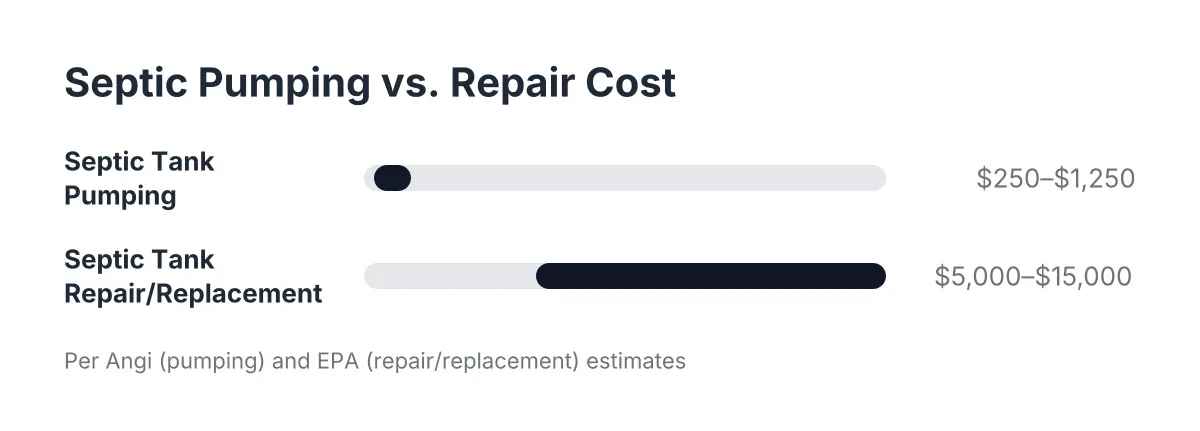
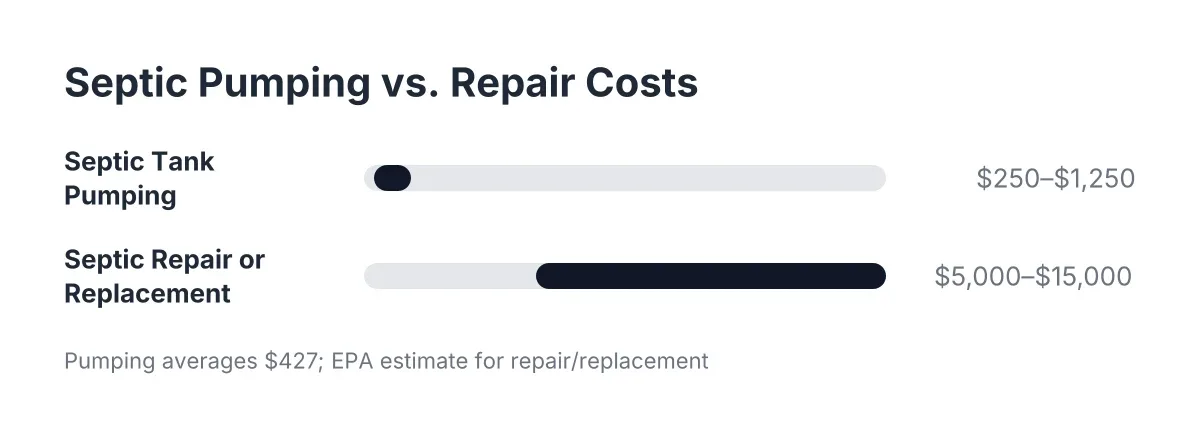
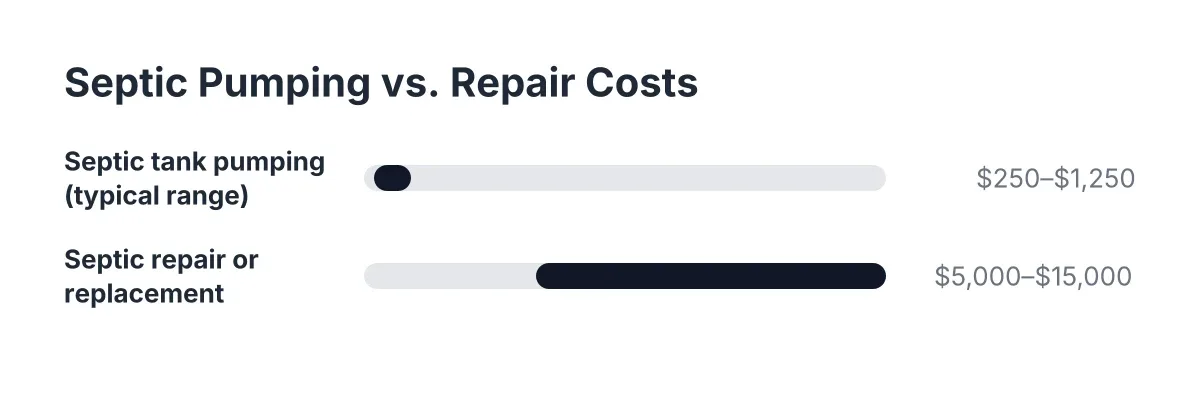
According to the U.S. Environmental Protection Agency, septic repair or replacement typically runs $5,000 to $15,000, far more than routine pumping. That gap is the whole argument for asking good questions. You are not just buying a truck visit; you are buying the judgment of the person holding the hose.
What Should the Crew Actually Do During the Visit?
Ask the contractor to walk you through their pump-out process before you book. A proper visit should remove the solids and liquid from the tank, not just skim the liquid off the top, and should include a visual check that the inlet and outlet baffles are present and positioned correctly. If the person on the phone cannot describe those steps, keep calling around.
Baffles matter because the outlet pipe sits lower than the inlet, and solids float on top of the liquid in the tank. According to University of Nebraska-Lincoln Extension, that design exists so only liquid exits toward the drain field. A missing or broken baffle lets solids escape and clog the field, which is exactly the expensive failure pumping is supposed to prevent.
Do You Have to Pump a Septic Tank to Inspect It?
You do not always have to pump a septic tank to inspect it, but an inspector cannot see the tank floor, baffle condition, or cracks below the waterline until the tank is empty. For a basic maintenance check, a contractor can measure sludge and scum levels through the access lid. For a home sale or a suspected problem, pumping first gives a far more complete picture.
Ask the contractor which type of inspection they recommend for your situation and why. The EPA recommends the average household have its septic system inspected at least every three years, so pairing an inspection with a scheduled pump-out is an efficient way to cover both.
How Do You Know Your Septic Needs Pumped?
Your septic needs pumping when sludge and scum build up enough to crowd the tank, and the warning signs show up in the house first. Slow drains, gurgling pipes, sewage odor in the yard, wet spots over the drain field, or a backup at the lowest drain all point to a full or failing tank.
However, waiting for symptoms is the expensive way to find out. Penn State Extension notes that an active family of four generally needs pumping every two to three years because of higher solids production. In addition, the Massachusetts Department of Environmental Protection recommends annual pumping for homes with garbage disposals, since disposals send far more solids into the tank. When you call a septic pumping contractor with questions about the interval, ask what schedule they would suggest for your household size and habits, then put it on a calendar.
What Questions Should You Ask About Septic Pumping Costs?
Before booking, ask three cost questions: what the quoted price includes, what triggers extra charges, and whether locating or digging to the lid costs more. According to Angi, septic tank pumping averages $427, with a typical range of $250 to $1,250 depending on tank size and location. A quote far below that range usually means something is missing from it.
Common extras worth asking about up front:
- Digging to expose a buried lid, and whether depth changes the price
- Locating the tank if you do not know where it is
- Extra gallons beyond a standard tank size
- A long hose run if the truck cannot park near the tank
- Disposal fees, which some companies fold in and others list separately
For example, suppose a Hesperia homeowner gets a phone quote that sounds like a bargain, then learns on arrival that the lid sits two feet down and digging costs extra. Asking "what could change this price once you are on site" before scheduling prevents that surprise. Note that soft or recently wet ground can also limit where a pump truck can safely park, so mention access conditions when you call.
Where Does the Waste Go After Pumping?
Pumped septic waste leaves your property in the truck and must go to an authorized disposal facility, typically a sewage treatment plant, according to New Hampshire Department of Environmental Services. Ask the contractor where they dispose of the waste and whether they can provide documentation of the service.
This question matters most for non-residential operators. If a health inspector flagged your grease trap, or you manage a rental and need to show the tank was serviced, a paper trail proves compliance. Say you own a small restaurant in Hesperia and the county asks for grease trap pumping records; a contractor who provides service receipts with dates and volumes makes that conversation short. A contractor who shrugs at the question is a risk you do not need.
Can the Same Crew Handle Grease Traps, Rentals, and RV Holding Tanks?
Ask whether the company services more than single-family homes, because many pumping outfits only do residential work. A crew that handles grease trap pumping, RV and holding tank pump-outs, and rental property septic service can become your one call for everything, which matters if you manage properties and cannot be on site for every visit.
Follow up with two logistics questions: can they service the property without you there, and will they call or text when the job is done. For a landlord fielding a tenant complaint about a smell, a crew that can locate the tank, pump it, and send a summary afterward turns a fire drill into a voicemail.
What Should You Ask When a Septic Pumping Contractor Finds Problems?
Ask the contractor what they do when they find a problem, such as a cracked baffle, a root intrusion, or high water levels that suggest a drain field issue. A good answer is that they document it, explain it plainly, and tell you your options. A bad answer is a hard push toward an expensive repair on the spot.
Pumping and system repair are different skill sets. According to New Hampshire Department of Environmental Services, becoming a licensed septic installer requires certification beyond a pumping operation, including exams on soil types, percolation rates, and system design. Therefore, if a pumper diagnoses a major drain field or tank failure, getting a second opinion from a qualified installer or your local health department before committing to a big repair is reasonable, and an honest contractor will not mind.
How Do You Set Up Service So This Is Not a Recurring Scramble?
End the call by asking whether the company tracks service history and sends pumping reminders. The right interval depends on tank size, household or business use, and whether you have a disposal or a grease-heavy kitchen, so ask the crew to recommend a schedule after they see your tank. The EPA also advises annual inspections for alternative systems with pumps, floats, or other mechanical parts.
Finally, keep your own simple record: date of service, gallons removed, condition notes, and anything the crew flagged. As of 2026, that file is also handy for a home sale or refinance, since buyers and lenders often ask for septic service history. A contractor who answers these septic pumping contractor questions directly, explains the price, and documents the work is the one worth keeping on speed dial in Hesperia.
If you need your septic tank serviced, Hesperia Septic can help.
Prefer to talk it through? Call (760) 249-7872 — a quick call is usually the fastest way to get a straight answer for your situation.