Septic System Inspection Before Buying a Hesperia Home: Step-by-Step Guide
Buying a home in Hesperia on a septic system is normal out here; much of the High Desert runs on septic, not sewer. However, a septic system inspection before you close is the one step too many buyers skip. Skip it, and you can inherit a failing drain field or a tank that needs replacement within a month or two of moving in. This guide walks you through the septic inspection for home buyers step by step, whether you are buying your own home or adding a rental property to a small portfolio.
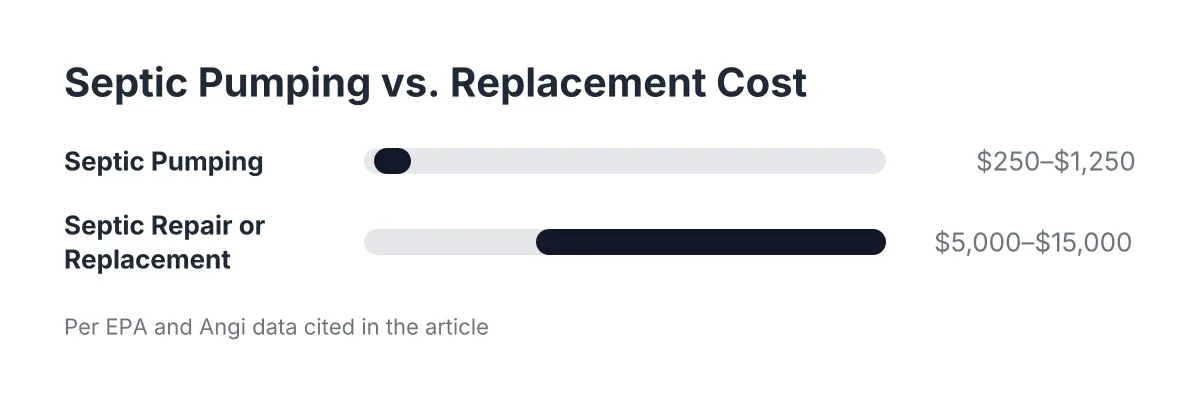
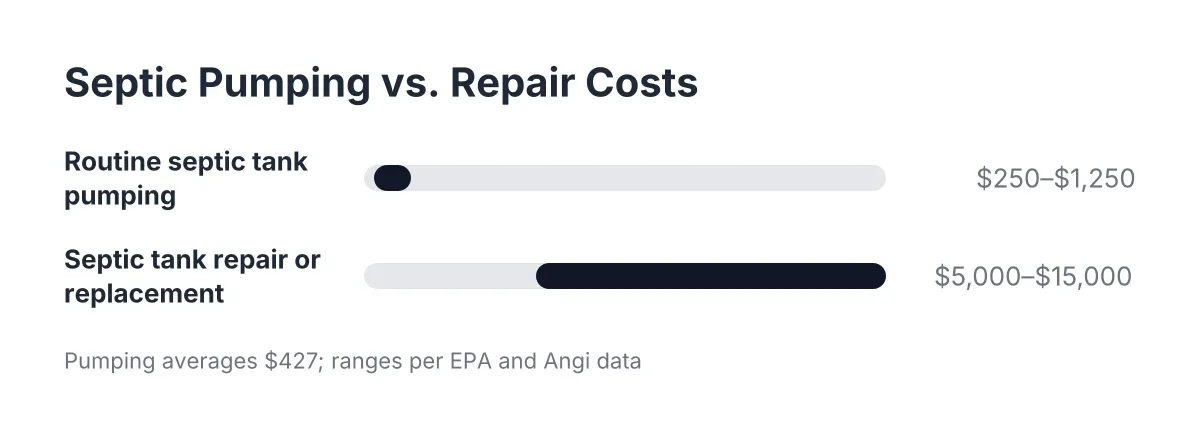
The stakes are real. According to U.S. Environmental Protection Agency estimates, septic tank repair or replacement typically costs $5,000 to $15,000. Routine septic tank pumping, by comparison, averages $427 according to Angi data, with a range of $250 to $1,250 or more depending on tank size and location. An inspection before purchase is how you find out which of those two numbers you are walking into.
Step 1: Confirm the Home Is Actually on Septic
First, verify what you are buying. Homes in city centers usually connect to municipal sewer, while septic tanks serve areas without centralized sewer service, according to the Environmental Finance Center Network. In Hesperia, plenty of neighborhoods are on septic, but do not assume either way.
Check the seller's disclosure, the county records, and the water bill for a sewer charge. Statewide, only about 10 percent of California homes sit on septic systems according to the U.S. Environmental Protection Agency, but that average hides how common septic is in the High Desert. If the listing says "septic" and the seller cannot produce any pumping or service records, treat that as your first yellow flag.
Step 2: Gather the System's Paper Trail
Next, ask the seller for everything they have on the system before anyone digs. A good septic crew will want this information too, because it shapes the inspection. Request:
- The age of the house and the system, if known
- Pumping receipts and how often the tank was pumped
- Any repair history, especially drain field work or tank replacements
- A site diagram or permit showing where the tank and drain field sit
- Whether the system is conventional or has pumps, alarms, or other mechanical parts
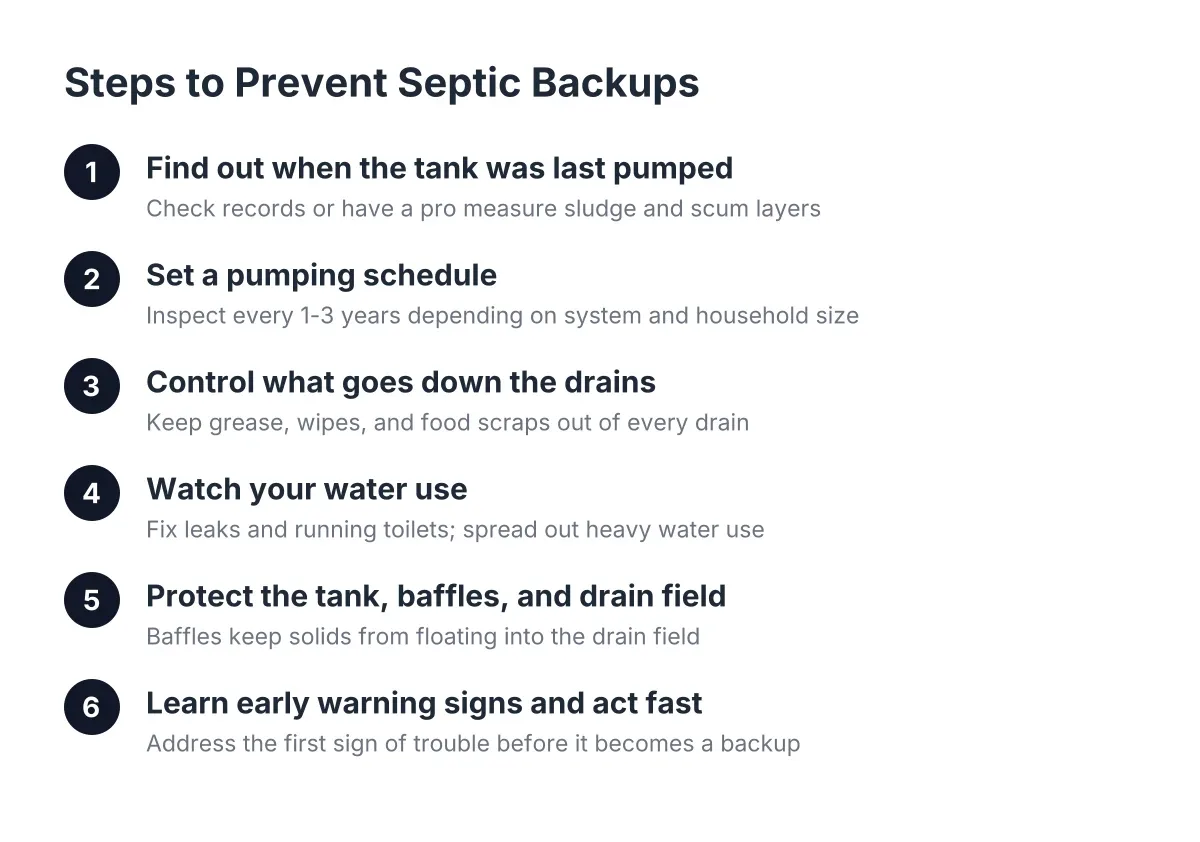
That last point matters for cost planning later. The U.S. Environmental Protection Agency recommends the average household have its septic system inspected at least once every three years, and alternative systems with electrical float switches, pumps, or mechanical components should generally be inspected once a year. A rental property with an alternative system means a yearly inspection line item, not just occasional pumping.
In addition, note the property's topography. A house on a rise with good drainage is a different inspection conversation than a low-lying lot where water collects.
Step 3: Walk the Property Yourself Before the Pros Arrive
Before you pay anyone, do a slow walk of the yard and the house. You are not inspecting the tank; you are looking for the warning signs that tell a septic crew where to focus. Watch for:
- A sewage smell in the yard, especially near one spot
- A wet spot or unusually green, lush grass over the tank or drain field in a desert yard
- Slow drains in multiple fixtures, not just one sink
- Gurgling toilets or drains when you run water
- Standing water or soggy ground that does not match recent weather
One slow drain is usually a plumbing clog. Slow drains everywhere, plus odor or wet ground, points at the tank or drain field. For example, say you tour a Hesperia rental you want to buy, and there is a green, damp strip in an otherwise dry dirt yard. In that scenario, do not let anyone talk you out of a full inspection; that pattern is a classic drain field failure symptom, and drain field repairs sit at the expensive end of the range.
Step 4: Septic Inspection for Home Buyers Before Closing
Here is the step that separates a smart purchase from a costly surprise. Build the septic system inspection before closing into your contract contingencies, the same way you would a roof or foundation inspection. Standard home inspectors generally do not open the tank; septic problems that surface during home sales usually get found by a septic company, not a general inspector.
A real pre-purchase inspection means locating the tank, digging up the lids, and looking inside, not just checking the surface. Expect the crew to:
- Locate the tank, using records, probing, or septic tank locating tools if no one knows where it is
- Expose the lids and check the liquid level before any pumping, so they see the system in its natural, undisturbed state
- Inspect the inlet and outlet sides of the tank for damage, root intrusion, or signs the baffle has failed
- Check whether the liquid level is too high (water backing up from the drain field) or too low (a leaking tank)
- Evaluate the drain field area for saturation, odor, or surface effluent
- Recommend pumping if the tank is full, so the walls and baffles can be checked properly
Should a septic tank be pumped before inspection? Not before the inspector sees it. The liquid level in an undisturbed tank tells the story; pumping first erases the evidence. Pump after the level check, if the inspection calls for it.
Whether you need this inspection is technically a judgment call, not a legal requirement on every sale. However, for a buyer who cannot absorb a surprise $5,000 to $15,000 repair, the call is easy.
Step 5: Verify the Tank Location and Setbacks
While the crew is on site, get the tank and drain field locations marked and documented. This sounds minor until you plan a driveway, a shed, or a horse corral and excavate right over your drain field. Buyers who skip this step find out the hard way.
For reference, most local regulations require at least 10 feet between a septic system and the building it serves, according to the Minnesota Pollution Control Agency. Local Hesperia and San Bernardino County rules govern the specifics here, so confirm setbacks with the county before you build anything. In addition, know that proper system installation is a regulated process; a percolation test must be performed before installing a septic system to confirm the soil drains properly, according to University of Nebraska-Lincoln Extension, and local health department inspection is typically part of installation, according to the Caroline County Health Department. If the seller mentions an "unpermitted" or "homemade" system, that history matters to your offer price.
Step 6: Read the Results and Negotiate
Finally, use the inspection report as a decision tool. Most outcomes fall into three buckets:
- Clean report, tank just needs pumping. This is the good outcome. Budget for routine septic tank pumping; Penn State Extension notes that a family of four generally does well pumping every two to three years.
- Repairable issues. A cracked lid, a failed baffle, or roots at the inlet. Get an estimate and negotiate a credit or seller repair before closing.
- Failing tank or drain field. High liquid level, surfacing sewage, or a saturated field. Now you are negotiating around a five-figure problem, or walking away, with full knowledge instead of a surprise.
This is also where a little septic system troubleshooting knowledge pays off as an owner. Suppose a tenant at your new rental reports slow drains six months after you close. Because your septic inspection helped document a healthy tank and its exact location, you can rule out a failing system fast and start with the cheaper fixes.
One honest limitation: an inspection is a snapshot, not a warranty. A system can pass today and still fail under heavy use, root growth, or neglect. If the report raises questions about the drain field, bring in a professional before you waive your contingency; soil and drain field evaluation is not a DIY job.
Quick Answers for Hesperia Buyers
How much does a pre-purchase septic inspection cost?
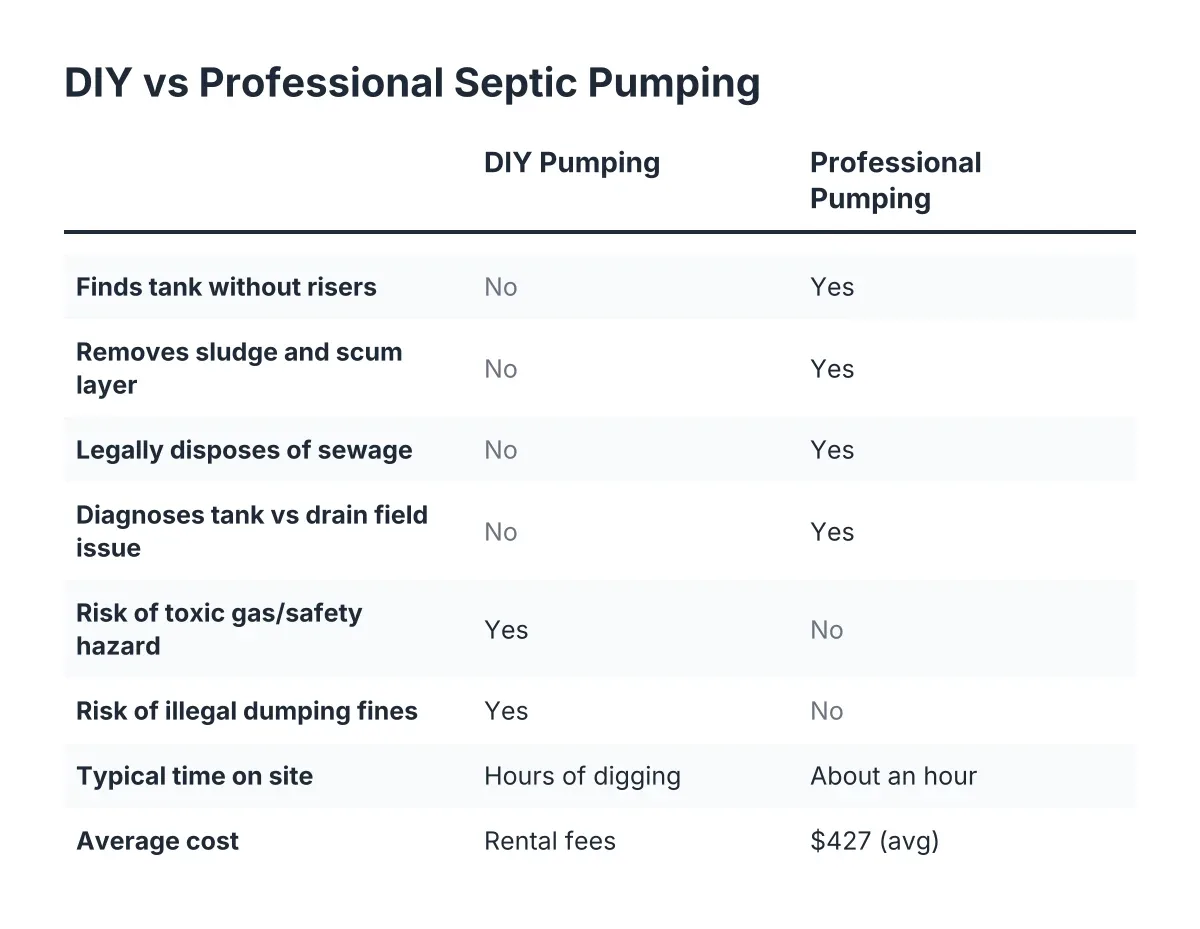
Septic system inspection costs vary with how hard the tank is to find, how deep the lids are buried, and whether the tank needs pumping to complete the check. No verified average exists for Hesperia specifically, so get the scope in writing: locating, lid access, level check, and interior inspection should all be listed. Pumping, if needed, is usually a separate line; Angi data puts average pumping at $427 as of its most recent figures.
Who pays for the inspection, buyer or seller?
Typically the buyer orders and pays for the septic inspection as part of due diligence, the same as a home inspection. However, this is negotiable. Some sellers in 2026 order the inspection up front to make the listing cleaner; if so, verify the report came from an actual septic company and includes an interior tank check, not a surface-only look.
What if no one knows where the tank is?
A septic company can locate the tank using records, probe rods, or locating equipment, then expose the lids for inspection. An unknown tank location is common on older Hesperia properties and is not a dealbreaker by itself. It does mean the inspection takes longer, so build that time into your contingency period.
If you need your septic tank serviced, Hesperia Septic can help.
Prefer to talk it through? Call (760) 249-7872 — a quick call is usually the fastest way to get a straight answer for your situation.